

-
-
-
-
Alvetto Lighting
Rectangular Linen Lamp Shade | Three Widths for Square and Oblong Bases
From $205.00
-

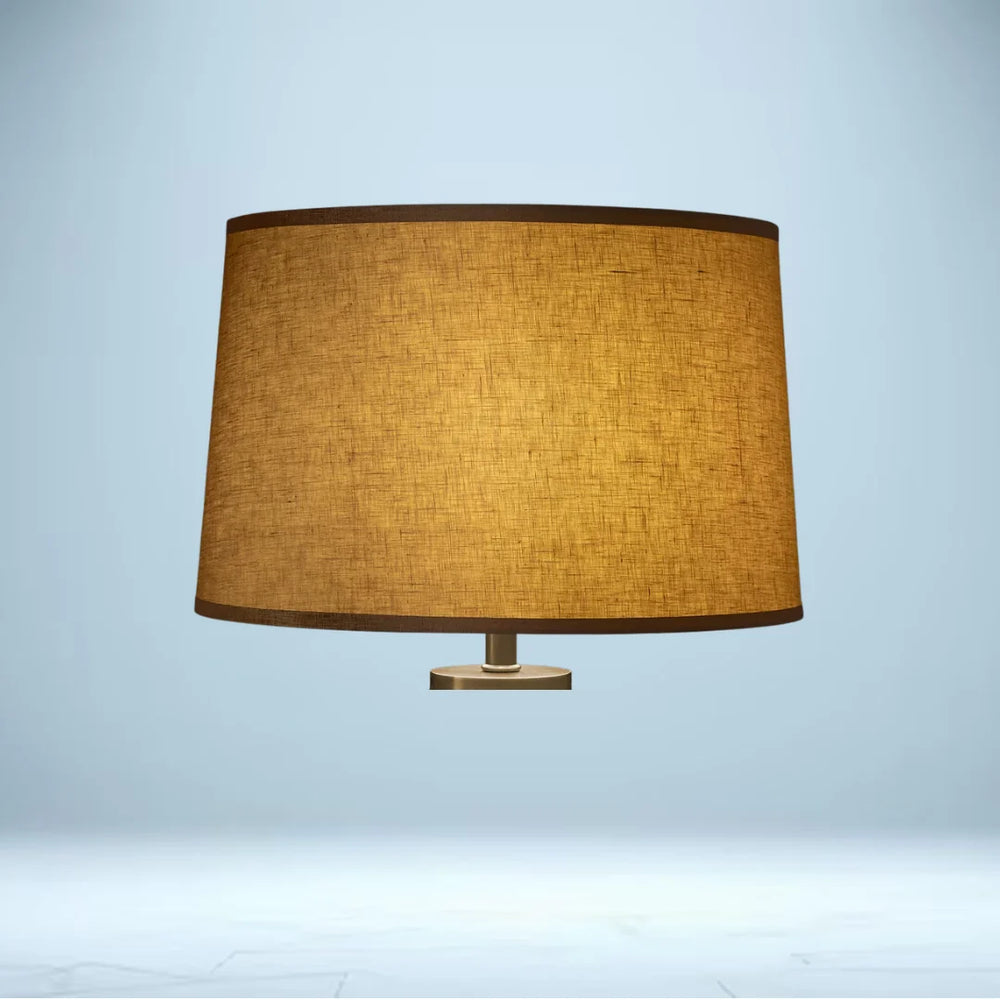

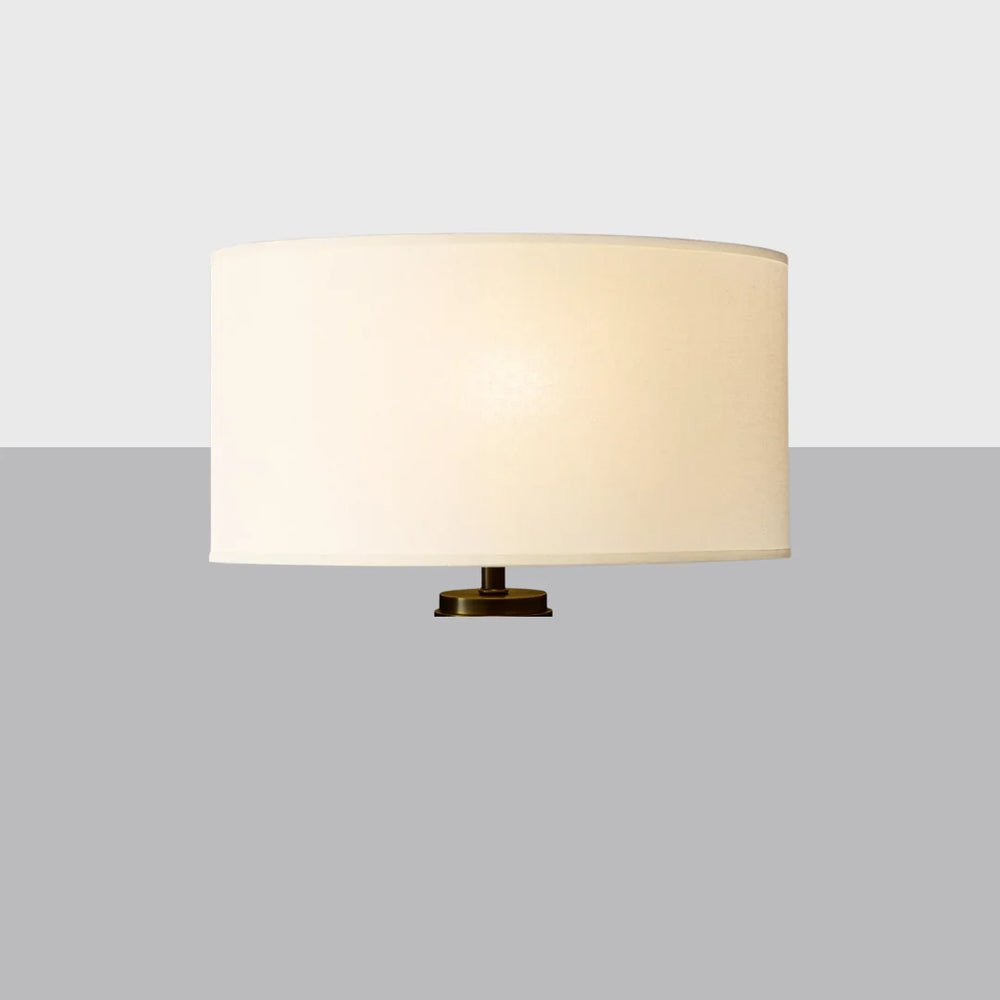

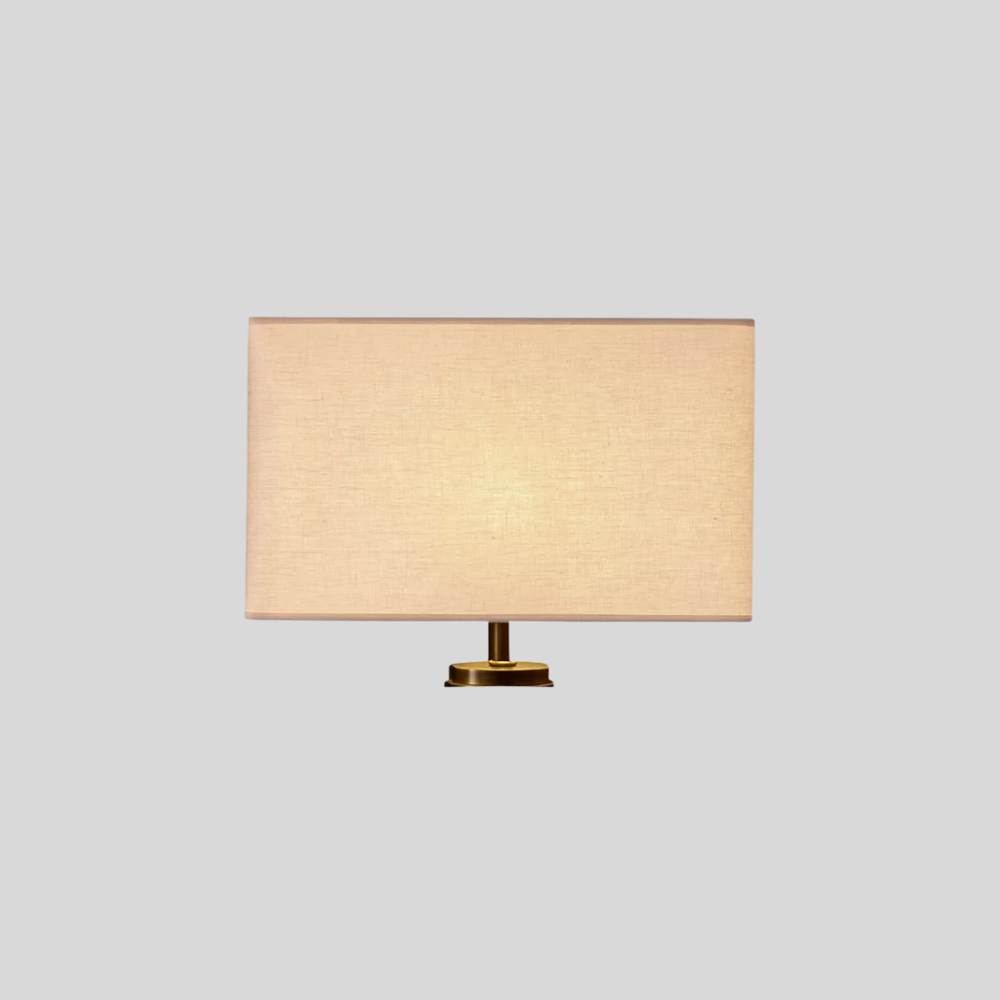


A new shade changes a lamp more than a new lamp changes a room. It is also the cheapest way to bring a dated base back to life.
Getting the size right
Three measurements decide whether a shade fits:
- Height — about two thirds the height of the lamp base.
- Bottom width — roughly twice the width of the base at its widest point, and wide enough to hide the socket and harp completely.
- Top width — narrower than the bottom on most shapes; equal on a drum.
The quick check: from any normal viewing angle, you should not be able to see the bulb or the hardware. If you can, the shade is too small.
Fittings — the part people get wrong
| Fitting | How it attaches |
|---|---|
| Spider | Sits on a harp, held by a finial. The most common. |
| Clip-on | Clips straight onto the bulb. Small shades and chandeliers. |
| Uno | Threads onto the socket itself. No harp needed. |
| Euro / reflector bowl | Held by a ring under the socket. |
Check which fitting your lamp uses before you order. A spider shade will not attach to an uno lamp, whatever the size says.
What the material does to the light
- White or ivory linen — the most light through, warm and even. The safe default.
- Black or dark fabric — throws light up and down in two beams rather than all round. Dramatic, less practical for reading.
- Paper or rice paper — very soft and diffused, lower output.
- Metal — directional only, all light down. Task lighting.
A dark shade with a white lining is the best of both — it looks rich from outside and still puts usable light on the page.
Related
See also table lamps and floor lamps.