

Sold out
Quick view
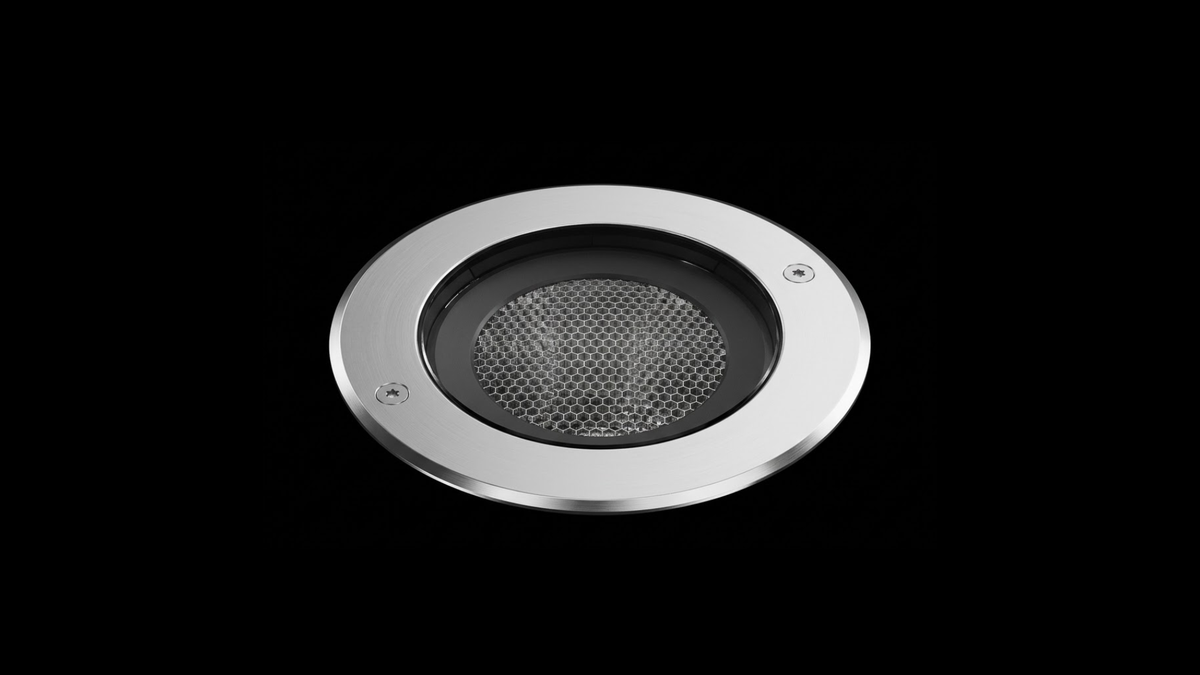
Landscape Lighting
Showing 1–1 of 1 products


Landscape lighting is the layer most gardens skip, and the one that changes the most. A single uplight on a mature tree does more for a house at night than any fixture on the building itself.
The techniques worth knowing
- Uplighting — a spotlight at the base of a tree or wall aimed up. The most dramatic and the most used.
- Grazing — a fixture 6 to 12 inches from a textured wall, aimed straight up the face. Stone and brick come alive.
- Silhouetting — light the wall behind a plant instead of the plant. You get an outline against a glow.
- Moonlighting — a fixture high in a tree aimed down through the branches, casting shadows on the ground like moonlight.
- Path lighting — low fixtures washing the walkway surface.
Restraint is the whole skill
The most common mistake is too many fixtures. Pick three or four features worth showing — a specimen tree, a stone wall, the front steps — and leave the rest dark. Contrast is what makes a lit garden look designed rather than floodlit.
Sizing the transformer
Add up the wattage of every fixture, then choose a transformer rated for at least 1.3 times that total. Twelve 4-watt fixtures come to 48 watts, so a 75-watt transformer gives you room and leaves space to add more later.
| Fixture | Typical wattage | Used for |
|---|---|---|
| Spotlight | 4 – 9 W | Trees, walls, features |
| Well light | 4 – 12 W | Flush uplighting in a bed or drive |
| Path light | 2 – 5 W | Walkways and steps |
| Deck or step light | 1 – 3 W | Stair edges and railings |
Colour temperature
Stay at 2700K or warmer outdoors. Cool white on foliage turns green leaves grey and makes a garden look like a car park at night.
Related
For walkway edges, see bollard lights. For lighting a patio from above, see outdoor string lights.