

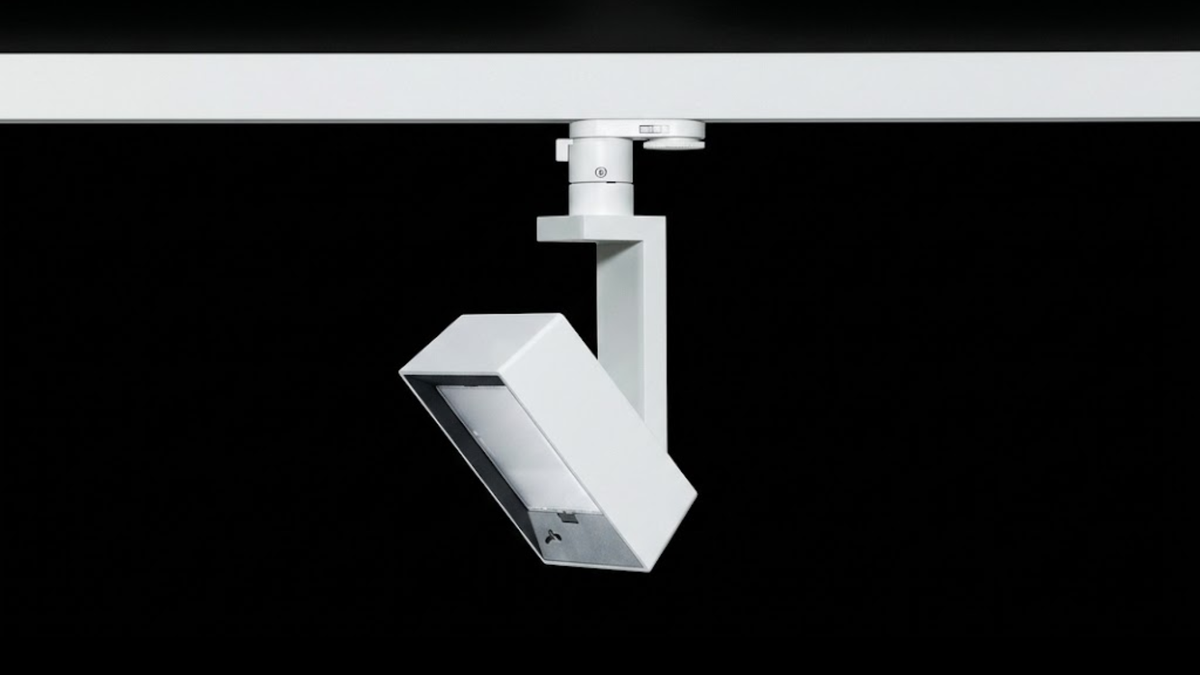


Track lighting earns its place when you need to aim light rather than spread it. One circuit, several heads, and every head points somewhere different. Move a painting and you move the light with it — no electrician, no patched ceiling.
What makes up a track system
- Track — the rail, usually 2, 4 or 8 feet, joinable into longer runs.
- Heads — the adjustable fixtures that clip on anywhere along the rail.
- Power feed — where the track connects to your ceiling wiring.
- Connectors — L, T and X shapes for turning corners.
A kit bundles all four. Buy the pieces separately when you are designing a run to fit a specific wall.
Check the track type before you buy heads
Three standards exist and they do not mix. H (Halo), J (Juno) and L (Lightolier) each use a different connector. Heads from one standard will not seat in another brand's rail. If you are replacing heads on an existing track, check the label on the power feed first.
Aiming the heads
| Job | Distance from wall | Beam angle |
|---|---|---|
| Lighting artwork | 2 – 3 ft | Narrow, 15° – 25° |
| Washing a wall | 2 – 3 ft | Wide, 40° – 60° |
| Kitchen counter | Directly above | Medium, 25° – 40° |
| Retail display | 3 – 4 ft | Narrow, 15° – 25° |
The 30-degree rule is the shortcut for art: aim the head so the beam hits the piece at about 30 degrees from vertical. Steeper and you get glare bouncing back; shallower and the frame casts a shadow across the canvas.
Colour rendering matters here
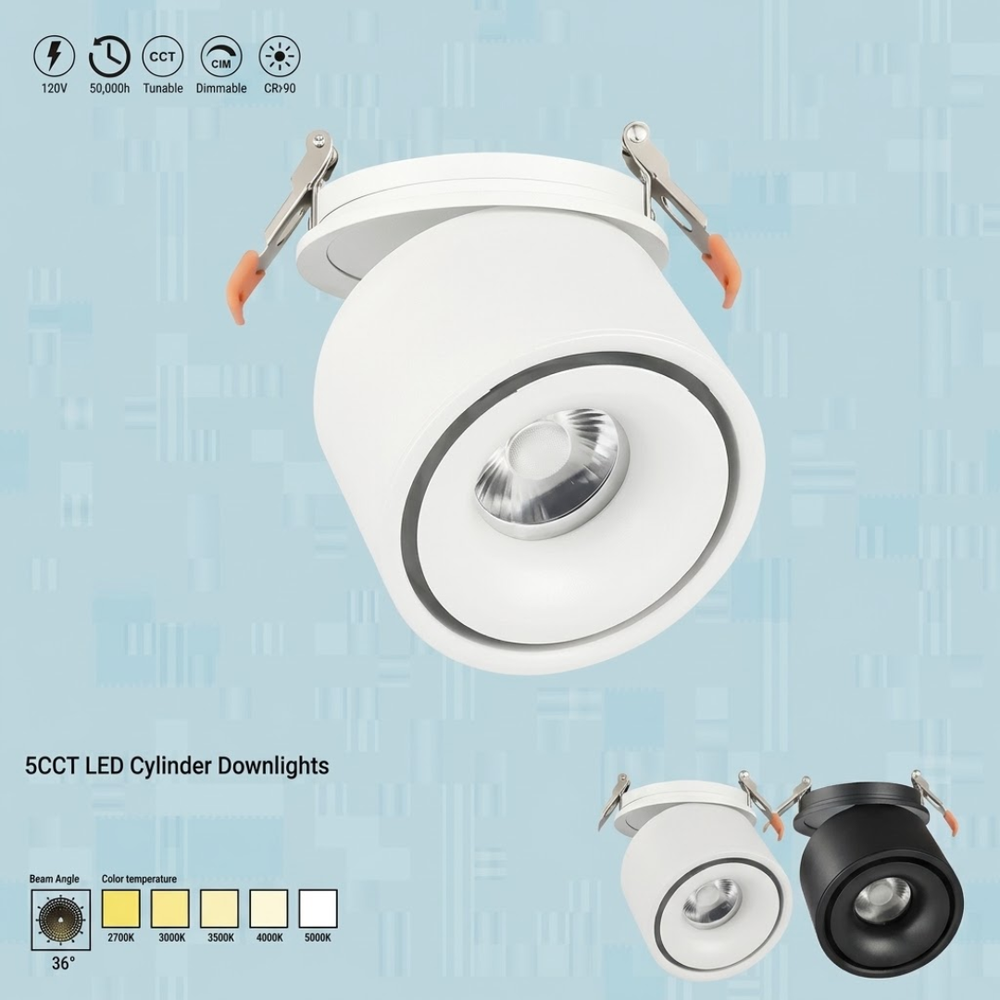
Accent lighting is the one place to insist on CRI 90 or above. A low-CRI beam flattens the colour it is meant to show off.
Other ways to accent a room
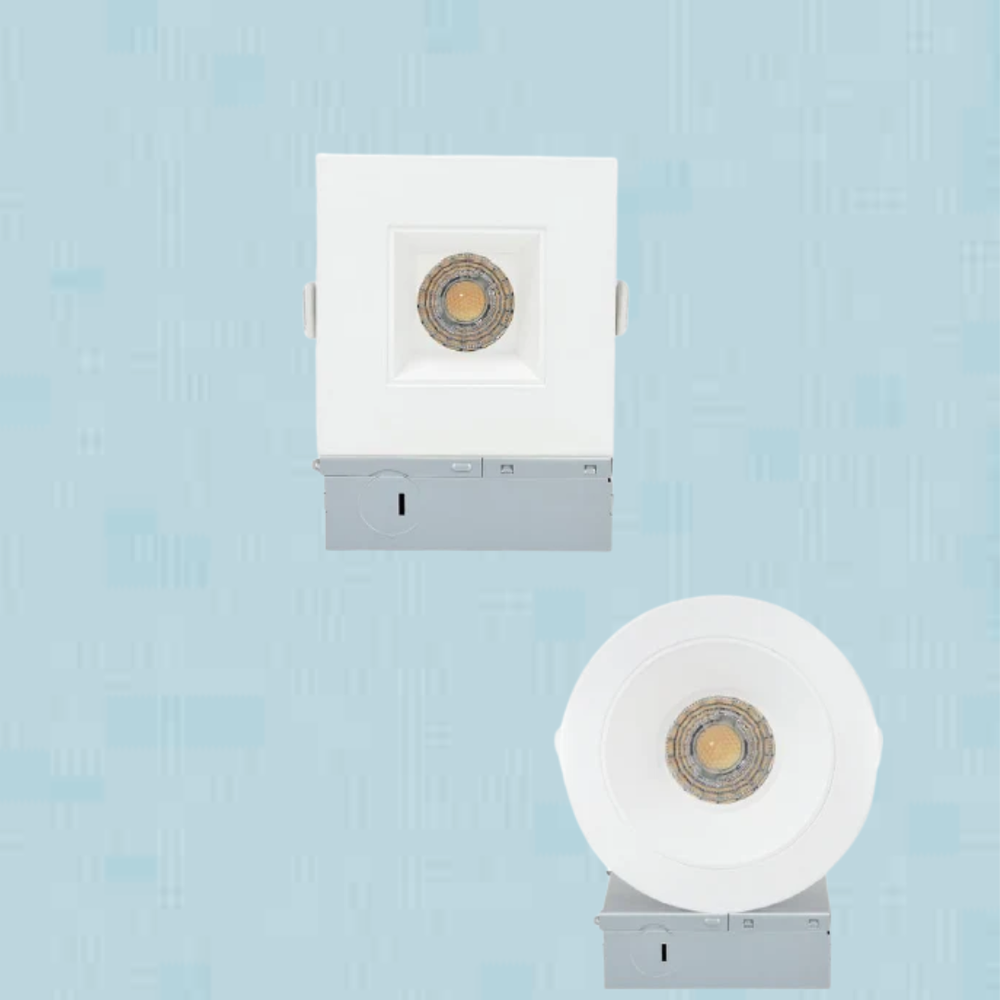
Want the same control without a visible rail? Look at adjustable recessed downlights, or cove lighting for indirect glow with no fixture in sight.