Trimless Anti-Glare Downlight | 8W and 15W with CRI Above 90
Save $-31.28
In stock
Ask An ExpertSubtotal: $31.28
Fast Delivery: USPS Priority Mail
- Flat Rate Shipping
- Secure Checkout — SSL Encrypted
| Power | 8W or 15W |
|---|---|
| Output | 600 or 1,000 lumens |
| Colour rendering | CRI above 90 |
| Trim | Trimless, plaster-in |
| Optic | Deep anti-glare baffle |
- Plan it at first fix - the housing goes in before the ceiling is finished and the plasterer works up to it. Retrofitting into a finished ceiling means opening and reskimming.
- Check the ceiling trade can deliver the cut - a flanged fixture hides a rough edge; this one does not. Where the finish cannot be relied on, specify a flanged fixture instead.
- Use it where glare matters - low ceilings, hallways walked daily, any space with seating under the fixtures.
- Confirm void depth and insulation clearance at design stage, not on site.
- Take the CRI 90 seriously in living spaces - skin tones, timber and fabric are what people actually look at.
- Have it fitted by a licensed electrician.
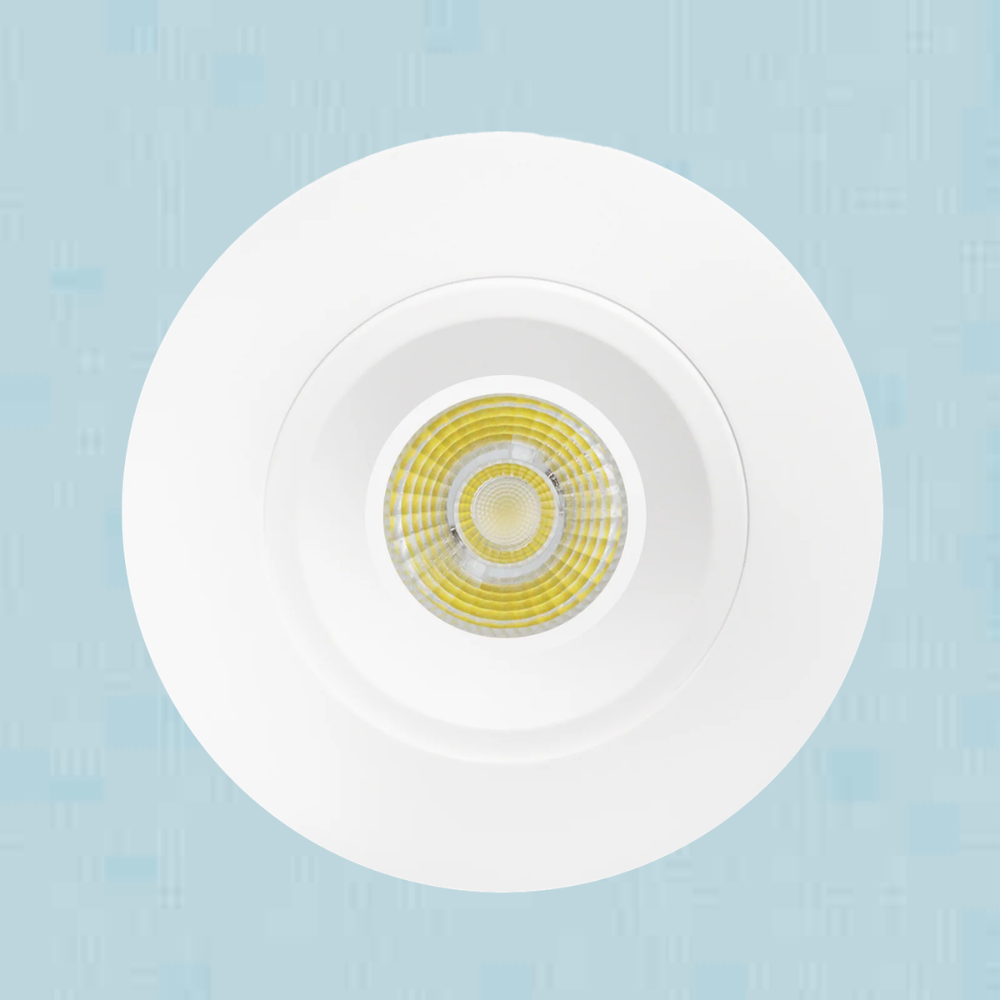
No trim ring, no visible fixture
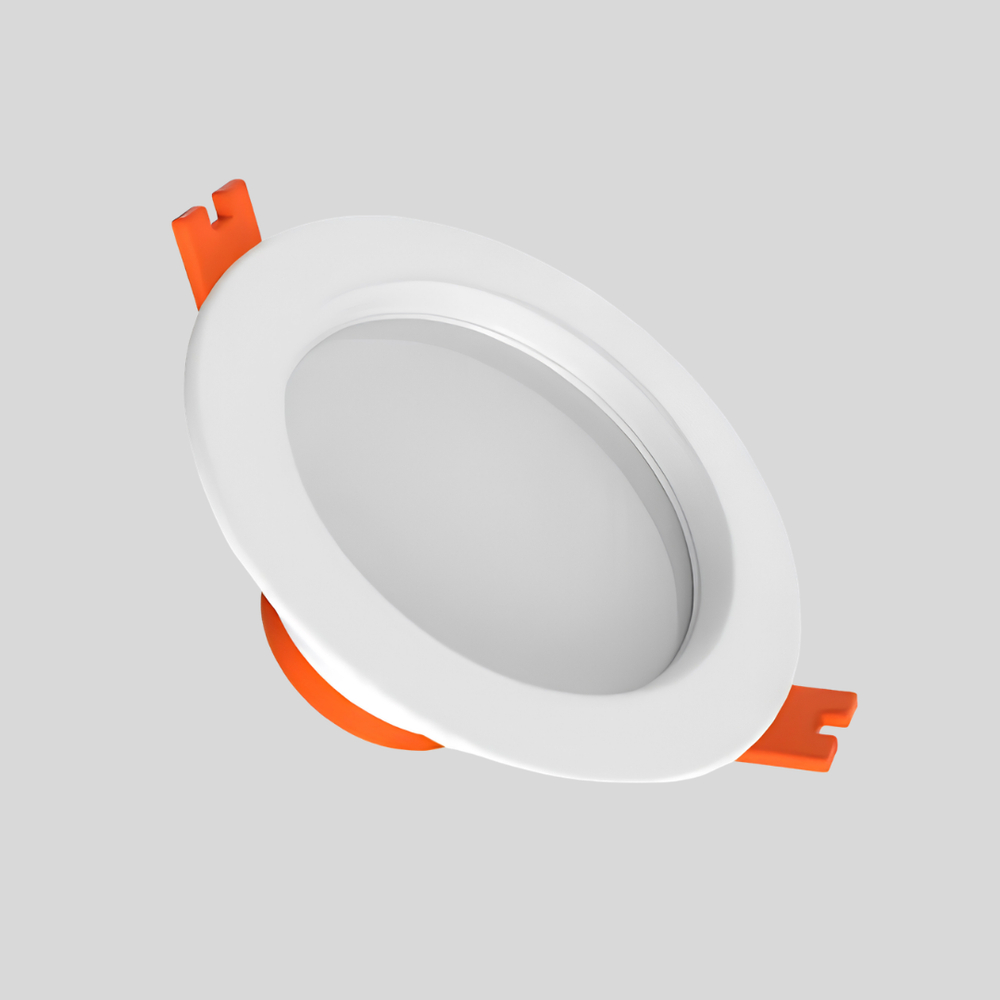
A standard downlight has a trim — a ring of metal or plastic that sits against the ceiling and covers the cut edge. A trimless fixture is plastered in, so the ceiling runs right up to the opening and nothing shows but a hole with light coming out of it.
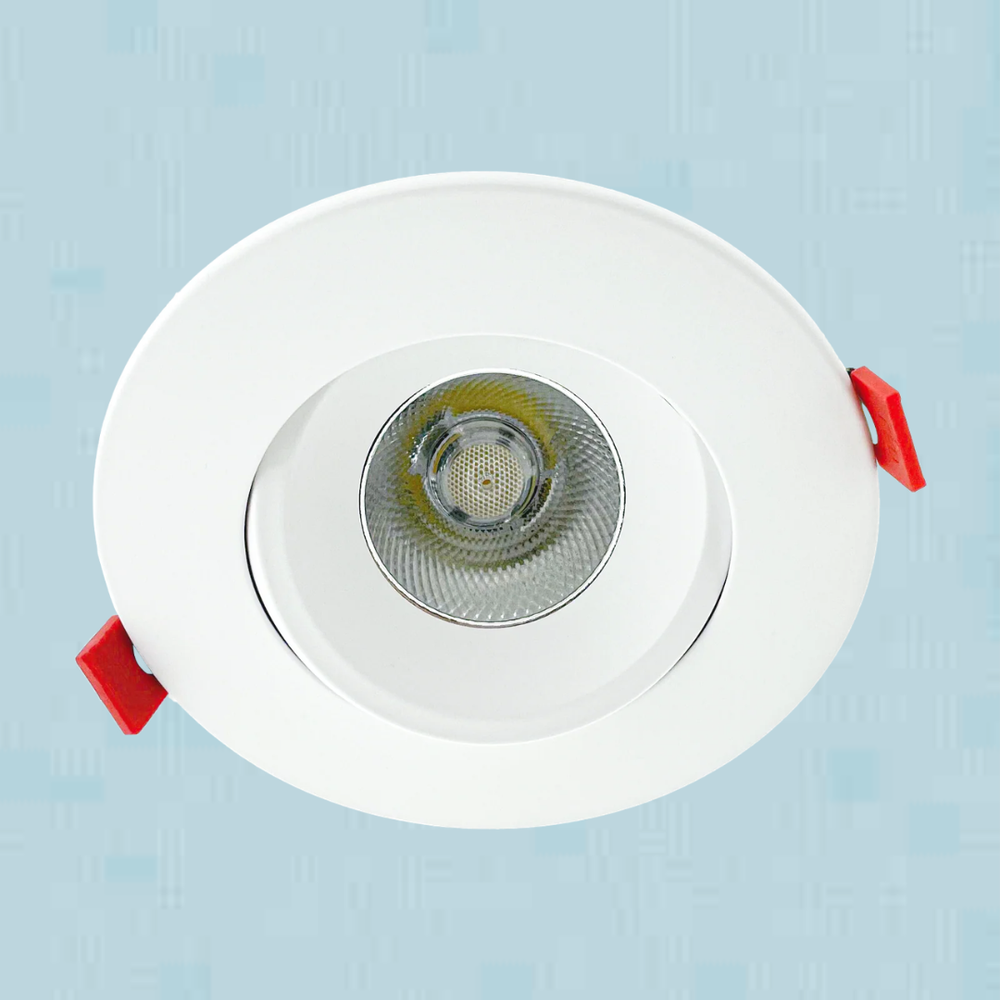
These also carry an anti-glare baffle, which sets the emitter deep inside the housing so you cannot see it from a standing position.
Why anti-glare matters more than output
A bright downlight you can see the source of is uncomfortable to walk under, and the discomfort has nothing to do with how much light reaches the floor. Recessing the emitter behind a dark baffle removes the bright point from your field of view while the light still lands where it should.
In a room with a low ceiling, a hallway you walk down daily, or any space with seating under the fixtures, this is the difference between lighting that works and lighting people complain about.
Specification
| Power | 8W or 15W |
| Output | 600 or 1,000 lumens |
| Colour rendering | CRI above 90 |
| Trim | Trimless, plaster-in |
| Optic | Deep anti-glare baffle |
Trimless has to be planned
The housing goes in before the ceiling is finished and the plasterer works up to it. That means it belongs in the programme at first fix, not as a late change. Retrofitting a trimless fixture into a finished ceiling means opening and reskimming it.
Cut quality is not forgiving
A flanged fixture hides a rough edge. This one does not. The opening is exactly what you see, so the cut and the plaster work both have to be right. Where the ceiling trade cannot guarantee that, a flanged fixture is the safer specification.
CRI above 90
Worth having in the rooms trimless fixtures usually go into — living spaces, galleries, hotel interiors — where skin tones, timber and fabric are what people actually look at.
Installation
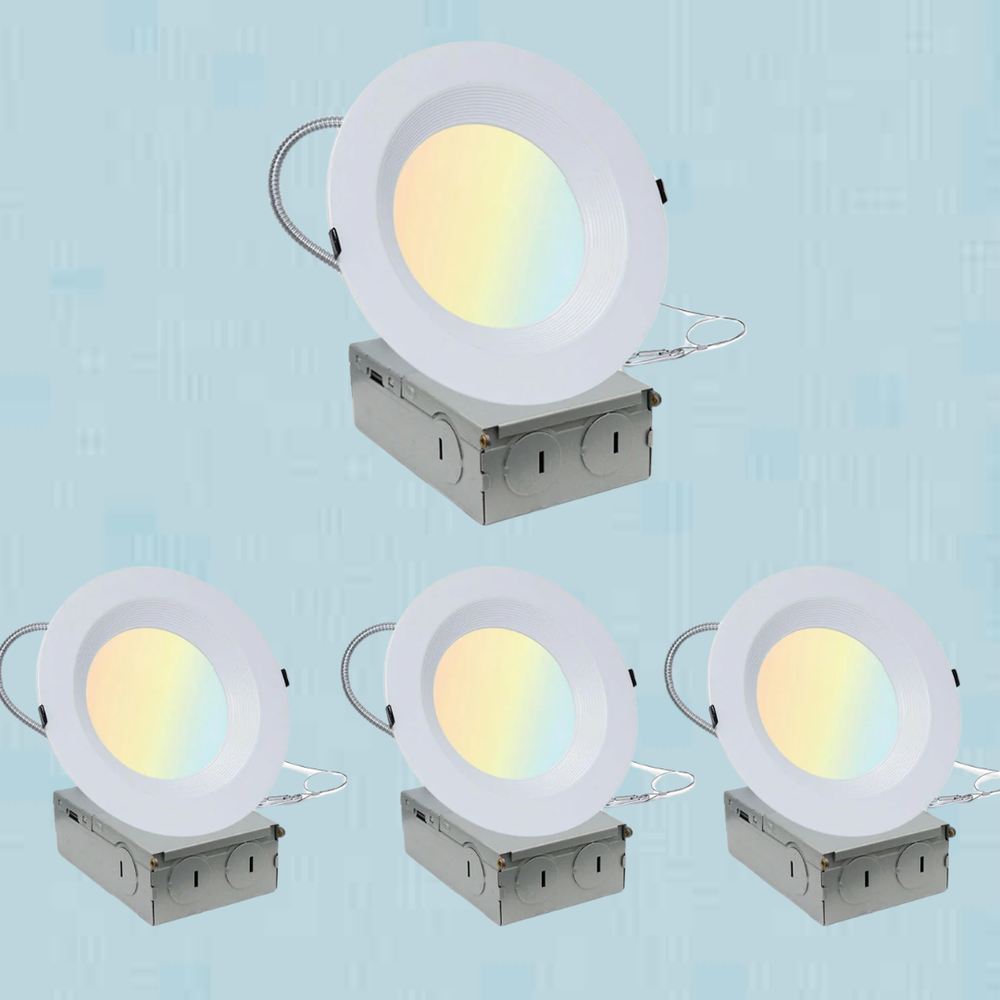
Hardwired and recessed, fitted by a licensed electrician, with the housing set before the ceiling is finished. Confirm the void depth and insulation clearance at design stage.
Related
For a forgiving edge see our standard recessed downlights. For accent work, see narrow beam downlights.